The answer is simple —
start learning, practicing, and applying tools in real-life scenarios to understand how modern systems operate efficiently.
Build a strong foundation with essential DevOps tools and concepts:
Cloud Platforms: AWS, Azure, GCP
Operating Systems: Linux
Scripting: Bash
Version Control: Git, GitHub, GitLab
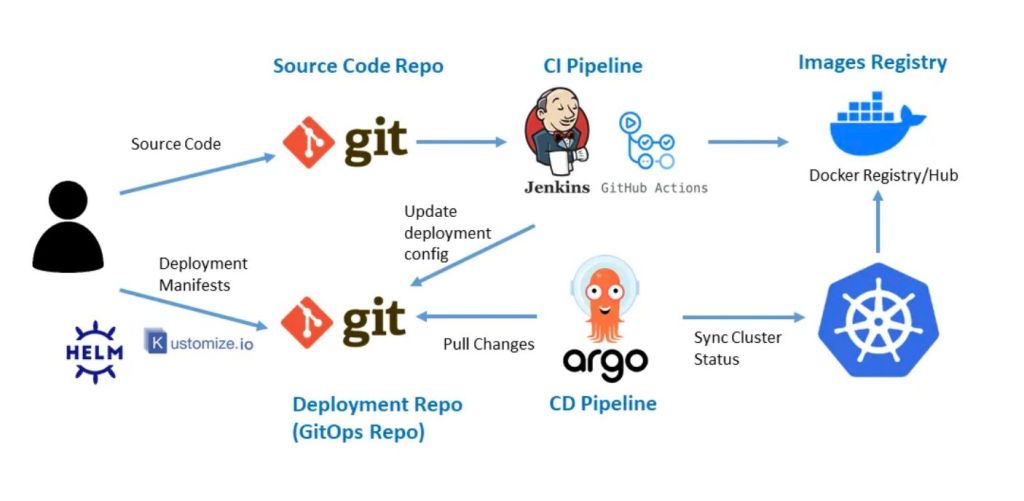
CI/CD: Jenkins, GitHub Actions, GitLab CI, ArgoCD
Configuration Management: Ansible
Containerization: Docker
Orchestration: Kubernetes, Helm, Kustomize
Monitoring & Logging: Prometheus, Grafana
Infrastructure as Code (IaC): Terraform
But remember — DevOps is not just about tools, it’s about how you use them:
1. Choose the right tools that are cost-effective, secure, and scalable
2. Design infrastructure that’s reliable, flexible, and easy to adapt
3. Automate deployments with minimal downtime and high availability
4. Implement monitoring, logging, and documentation to ensure stability and visibility
5. Gain hands-on experience through real-world projects
A true DevOps engineer doesn’t know every tool —they know how to use the right tools the right way.
Start small. Stay consistent. Build real things.
😃That’s how you become a DevOps Engineer.

 DEVOPS DOSE
Leave a comment